


 Request a Consultation
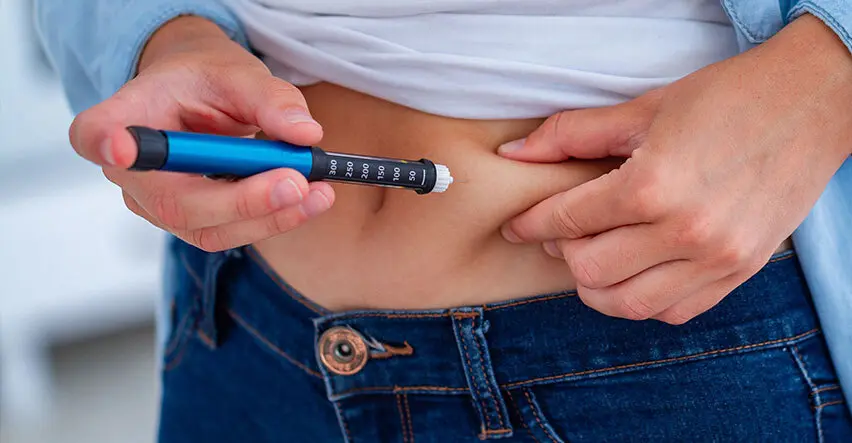

Weight Loss Medications: A Complete Guide to GLP-1 Shots and Pills
By Northwest Weight & Wellness Center
If it feels like there is a new weight loss medication in the news every few months, you are not imagining it. In the past year alone, the FDA approved two daily GLP-1 pills and a higher-dose version of Wegovy. For patients in Everett, Seattle, and across the Puget Sound, that means more choices than ever before. It also means more questions about which option is safe, which one works best, and which one fits your life.
At Northwest Weight & Wellness Center, our providers prescribe and manage weight loss medications every day through our Medical Weight Loss Program. This guide explains what is available right now, how these medications work, who qualifies, and what results you can realistically expect.
How Do GLP-1 Weight Loss Medications Work?
GLP-1 (glucagon-like peptide-1) is a hormone your gut releases after you eat. It tells your brain that you are full, slows how quickly food leaves your stomach, and helps your body manage blood sugar. GLP-1 medications copy that natural signal and make it stronger and longer lasting.
The result is that most patients feel satisfied with smaller portions. Many also notice less “food noise,” the constant thoughts about food and cravings that make dieting so exhausting. Because obesity is a chronic disease driven by biology, not a lack of willpower, quieting those signals can make healthy habits feel achievable for the first time.
Tirzepatide, sold as Zepbound, works on two hormone pathways at once: GLP-1 and a second hormone called GIP. That dual action is one reason it has produced the largest average weight loss of any medication approved so far.
FDA-Approved Weight Loss Medications
Here is a side-by-side look at the main prescription options available today.
| Medication | How it is taken | Average weight loss in clinical trials | What to know |
|---|---|---|---|
| Zepbound (tirzepatide) | Weekly injection | About 15% to 21% | Also approved for obstructive sleep apnea in adults with obesity |
| Wegovy (semaglutide) injection | Weekly injection | About 15%, higher with the new 7.2 mg dose | Shown to lower the risk of heart attack and stroke in people with heart disease |
| Wegovy pill (oral semaglutide) | Daily tablet | About 14% to 17% | Taken on an empty stomach, followed by a short wait before eating |
| Foundayo (orforglipron) | Daily tablet | About 12% at the highest dose | Approved April 2026; no food or water timing rules |
| Qsymia, Contrave, phentermine | Daily pills | About 5% to 11% | Older, non-GLP-1 options that can help when GLP-1s are not a fit |
These averages come from separate studies, so they are not direct head-to-head comparisons. Your own results will depend on your dose, your health history, and how consistently you are able to stay on treatment.
What Is New: Weight Loss Pills
Until recently, the most effective medications were only available as injections. That changed when the FDA approved the Wegovy pill in late 2025 and Foundayo (orforglipron) on April 1, 2026. In Lilly’s ATTAIN-1 trial, adults on the highest dose of Foundayo who stayed on treatment lost an average of 12.4% of their body weight over 72 weeks.
What Is New: Higher-Dose Wegovy
In March 2026, the FDA approved Wegovy HD, a 7.2 mg weekly injection. It is designed for adults who have already tolerated the standard 2.4 mg dose and need additional weight loss.
Weight Loss Pills vs. Injections: Which Is Better?
There is no single “best” weight loss medication. The right choice is the one that matches your health goals and that you can take consistently for the long term. Here is how the options compare in daily life.
- The Wegovy pill must be taken first thing in the morning with a small sip of water, followed by a waiting period before you eat, drink, or take other medications.
- Foundayo can be taken any time of day, with or without food, which makes it the simplest daily routine.
- Weekly injections like Zepbound and Wegovy require only one dose per week, and they still produce the most weight loss on average.
For patients who dislike needles, a pill can be the difference between starting treatment and putting it off. For patients who want the strongest possible effect, a weekly injection is usually the better match. Our providers help you weigh both sides.
Who Qualifies for Prescription Weight Loss Medication?
For most of these medications, adults qualify if they have:
- A BMI of 30 or higher, or
- A BMI of 27 or higher plus at least one weight-related condition, such as high blood pressure, high cholesterol, type 2 diabetes, or sleep apnea.
BMI is only a starting point. Before prescribing, we review your medical history, current medications, past weight loss attempts, and future plans such as pregnancy. GLP-1 medications are not recommended for people with a personal or family history of medullary thyroid cancer or multiple endocrine neoplasia syndrome type 2 (MEN 2).
Common Side Effects of Weight Loss Medications
The most common side effects of GLP-1 medications affect digestion. They include nausea, constipation, diarrhea, heartburn, bloating, and occasional vomiting. These symptoms are usually strongest when you first start or increase a dose, which is why we raise doses slowly and check in often.
Less common but more serious risks include pancreatitis, gallbladder problems, and dehydration that can affect the kidneys. Always tell your surgeon or anesthesia team that you take a GLP-1 before any procedure, because slowed stomach emptying can affect anesthesia safety.
Protecting Muscle While You Lose Weight
When appetite drops quickly, it is easy to eat too little protein. Over time, that can lead to muscle loss, lower energy, and a slower metabolism. Our registered dietitians and exercise physiologist build protein targets and strength routines into every medication plan so the weight you lose is mostly fat, not muscle.
Are Compounded or Online GLP-1s Safe?
Compounded semaglutide and tirzepatide are not FDA-approved. The FDA does not review compounded versions for safety, strength, or quality before they are sold, and it has received reports of dosing errors. Now that brand-name pills are available at lower self-pay prices, more patients can access an approved product. If cost is a concern, our team can run a free insurance check and talk through options before you turn to an unregulated source.
Why Medication Works Best as Part of a Program
Weight loss medications treat obesity as the chronic disease it is. Like blood pressure or cholesterol medication, they work while you take them, and most people regain weight after stopping. That is why we never hand out a prescription on its own.
Our 12-week Medical Weight Loss Program pairs medication with:
- One-on-one visits with a nurse practitioner or physician
- Personalized meal planning with a registered dietitian
- A custom exercise plan from an exercise physiologist
- Body composition and resting metabolic rate testing
- Regular check-ins, support groups, and a tracking app
Medication quiets the biology. The program builds the habits that help you keep the weight off.
Frequently Asked Questions About Weight Loss Medications
How much weight can I lose on a GLP-1 medication?
In clinical trials, average weight loss ranged from about 12% to 21% of body weight, depending on the medication and dose. Real-world results are often lower, mainly because many people stop treatment early.
Do I have to take weight loss medication forever?
Many patients need long-term treatment to maintain their results, much like other chronic disease medications. Your provider will talk with you about a maintenance plan before you start.
Are Ozempic and Mounjaro the same as Wegovy and Zepbound?
They contain the same active ingredients, but Ozempic and Mounjaro are approved for type 2 diabetes. Wegovy and Zepbound are the versions approved for chronic weight management, which can affect insurance coverage.
Is medication a good alternative to bariatric surgery?
For some patients, yes. For others, especially those with a higher BMI or type 2 diabetes, bariatric surgery produces greater and more durable results. Our team offers both, so we can recommend the option that truly fits you.
Start Your Medical Weight Loss Journey in Everett, WA
Whether you are curious about the new weight loss pills, considering a weekly injection, or unsure whether medication or surgery is right for you, our team is here to help without pressure or judgment.
Request a consultation or call Northwest Weight & Wellness Center at 425-224-8200 to get started.
 Contact Us!
 Inquire Now

